Understanding Wood Rot: Causes and Prevention
Wood rot is a serious issue that affects many homeowners, particularly in areas with high humidity and rainfall. It occurs when wood is exposed to moisture for extended periods, leading to the growth of fungi that decompose the wood fibers. Understanding the causes of wood rot is crucial for preventing it from damaging your property.
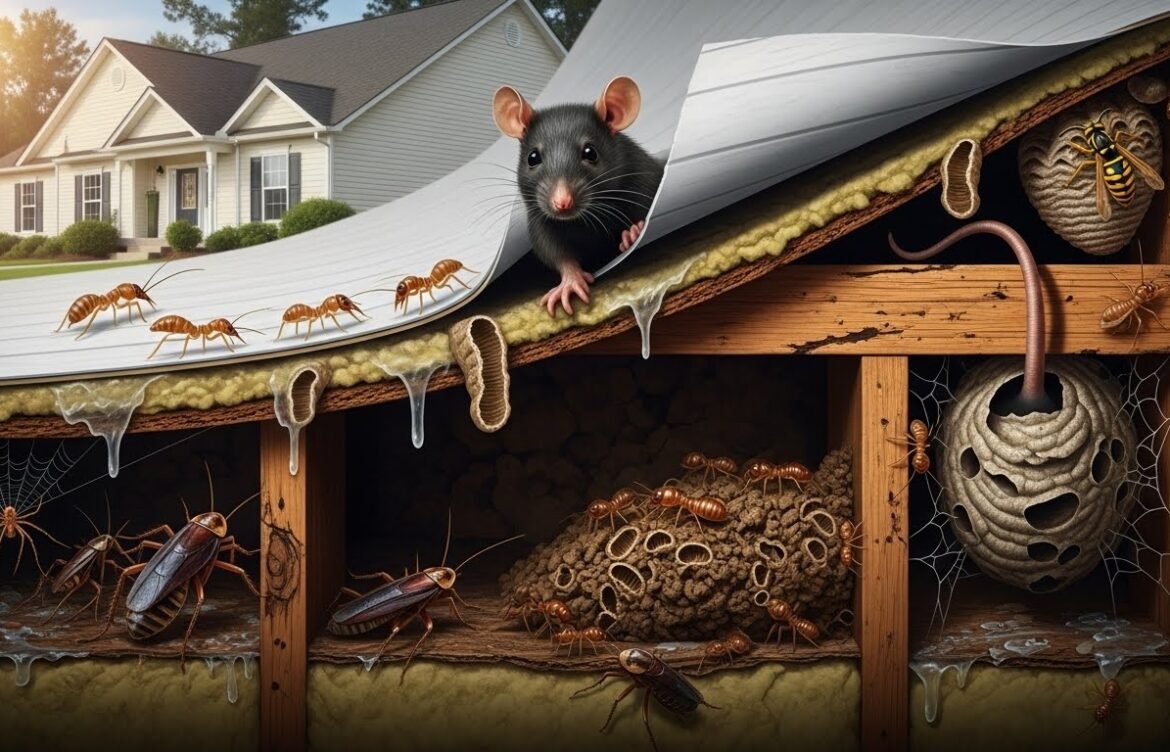
Common causes of wood rot include poor drainage, leaky roofs, and inadequate ventilation in attics and crawl spaces. Regular inspections and maintenance can help identify potential problems before they escalate. For instance, ensuring that gutters are clean and directing water away from the foundation can significantly reduce the risk of wood rot.
Signs of Wood Rot: What to Look For
Identifying wood rot early can save homeowners significant repair costs. Key signs include discoloration, a musty smell, and soft or spongy wood that crumbles easily when touched. These indicators often appear in areas where wood is in contact with moisture, such as decks, window frames, and siding.
For example, if you notice peeling paint or a darkened area on your deck, it may be a sign of underlying wood rot. Conducting regular inspections and being proactive can help you catch wood rot in its early stages, allowing for timely repairs and preservation of your property.
Effective Treatments for Wood Rot
Once wood rot is detected, immediate action is essential to prevent further damage. Treatments may involve removing the affected wood and replacing it with new, treated wood that is resistant to moisture. Additionally, applying a wood preservative can help protect against future rot.
For minor cases, specialized wood rot repair products are available that can fill in and stabilize decaying wood. These products are designed to penetrate the wood and create a barrier against moisture, extending the life of your wooden structures. Consulting with a professional can also provide tailored solutions based on the extent of the damage.
Maintaining Your Deck to Prevent Wood Rot
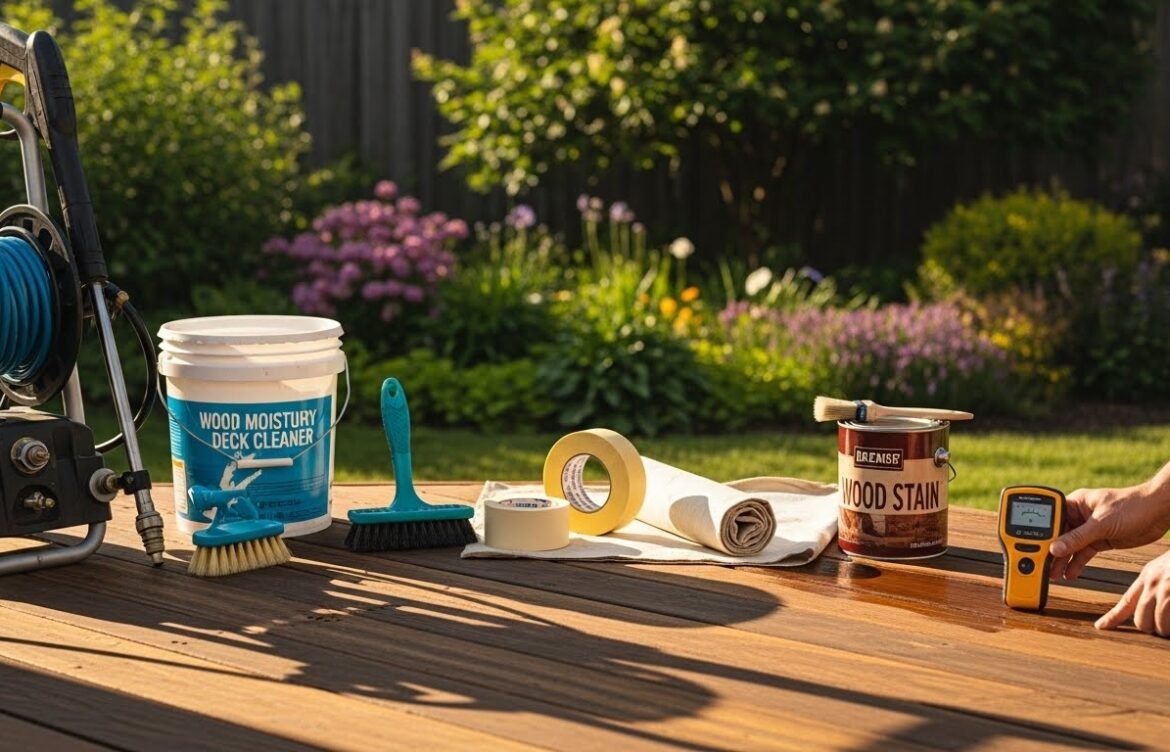
Regular maintenance is key to preventing wood rot in decks. This includes cleaning the deck surface, sealing it with a protective stain, and ensuring proper drainage. By keeping the deck free from debris and moisture, homeowners can significantly extend its lifespan.
Additionally, applying a high-quality sealant every few years can create a waterproof barrier that protects the wood from the elements. Investing in proper maintenance not only enhances the appearance of your deck but also safeguards it against the costly repairs associated with wood rot.