Stucco Repair: A Comprehensive Guide
Stucco is a popular exterior finish known for its durability and aesthetic appeal. However, like any building material, it can be susceptible to damage over time, especially in varying weather conditions. Understanding the common issues that affect stucco and knowing when and how to address them is crucial for maintaining your home's integrity and appearance.
This guide delves into the intricacies of stucco repair, covering everything from minor hairline cracks to more significant damage. We'll explore the causes of stucco deterioration, the different types of repairs available, and the importance of professional intervention to ensure a lasting and effective solution.
Common Causes of Stucco Damage
Several factors can contribute to the deterioration of stucco exteriors, leading to the need for repair. Understanding these causes is the first step in preventing future damage and ensuring the longevity of your home's facade.
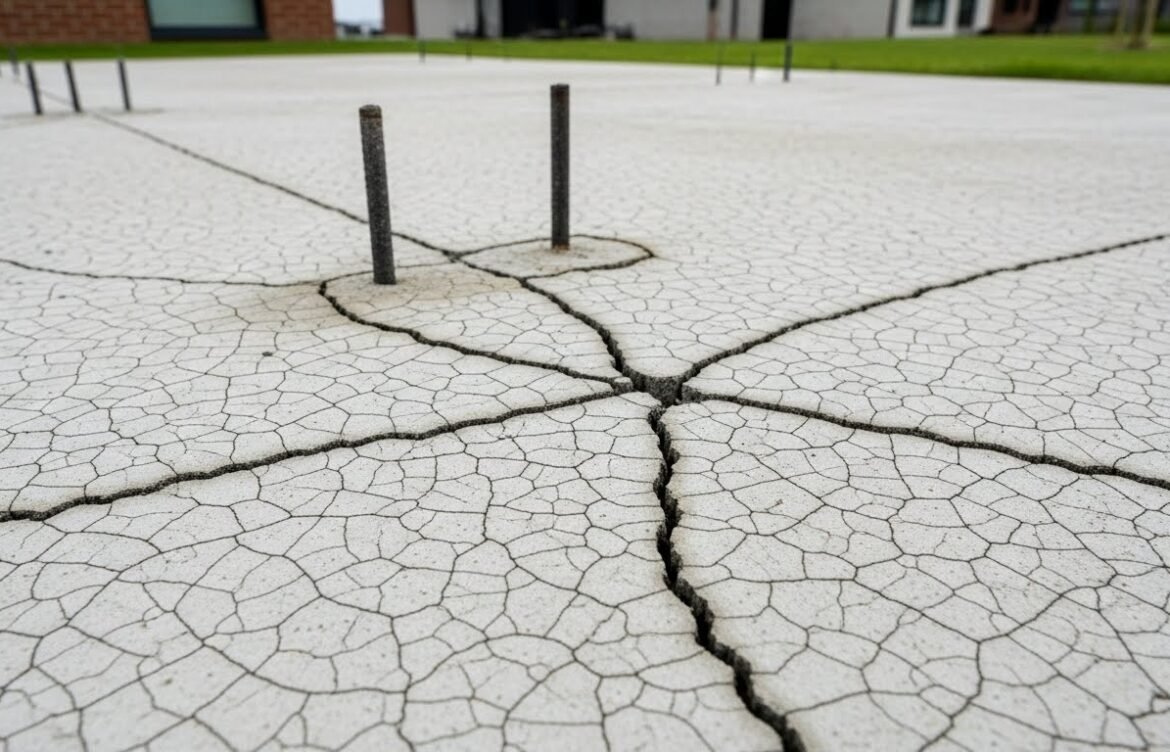
Common culprits include environmental factors such as extreme temperature fluctuations, heavy rainfall, and high humidity, which can cause the stucco to expand and contract, leading to cracks. Poor installation practices, foundation settling, and impact damage from falling debris or accidents can also result in significant structural issues and cosmetic imperfections.
When to Call a Professional for Stucco Repair
While minor cracks in stucco might seem like a DIY fix, many situations necessitate the expertise of a professional painting and repair service. Recognizing the signs of more serious damage can save you time, money, and prevent further deterioration of your home's exterior.
If you notice extensive cracking, crumbling, or areas where the stucco is loose or bulging, it's a clear indication that professional intervention is required. Professionals have the knowledge, tools, and experience to properly diagnose the underlying cause of the damage, perform the necessary structural repairs, and apply a seamless, durable finish that matches your existing stucco.
The Stucco Repair Process Explained
The process of repairing stucco involves several key steps, ensuring that the damaged area is not only cosmetically restored but also structurally sound. A thorough approach guarantees a long-lasting repair that blends seamlessly with the surrounding material.
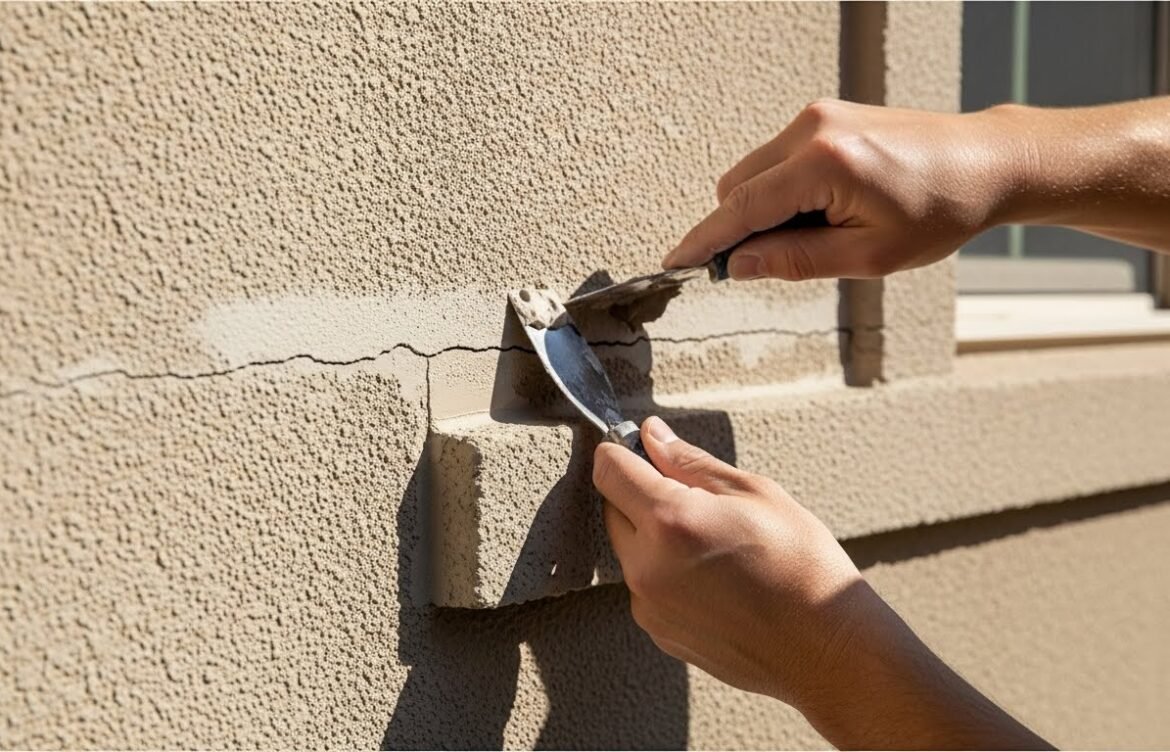
Typically, the repair begins with cleaning the damaged area and removing any loose or crumbling stucco. The underlying substrate is then inspected and repaired if necessary. New stucco is carefully applied in layers, allowing for proper curing between each application. Finally, the repaired area is textured and painted to match the original finish, providing a durable and aesthetically pleasing result.