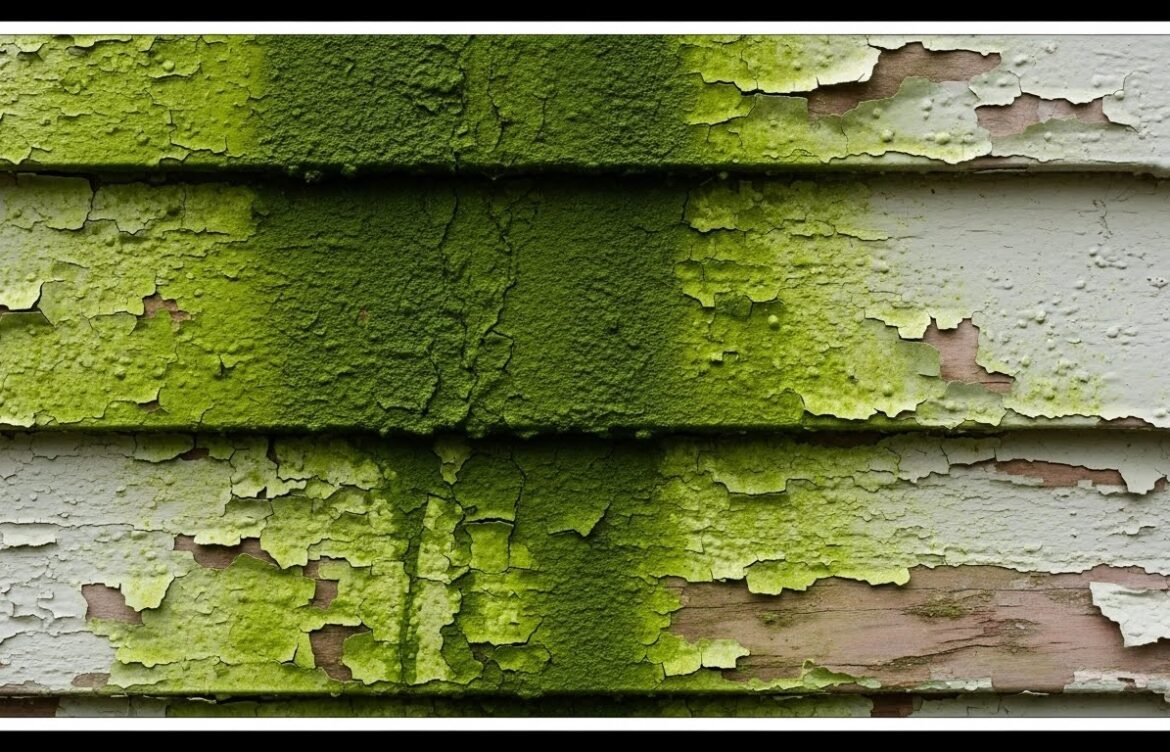
Understanding Mold on Siding: Essential Insights for Homeowners
Mold on siding is a common issue that can affect the aesthetic appeal and structural integrity of your home. Understanding the causes of mold growth is crucial for homeowners, as it can lead to more significant problems if left untreated. This section will explore the primary factors contributing to mold formation on siding, including moisture, poor ventilation, and environmental conditions.
For instance, homes in humid climates, like North Central Florida, are particularly susceptible to mold growth due to the high levels of moisture in the air. Additionally, areas with inadequate sunlight or ventilation can create the perfect breeding ground for mold spores, making it essential for homeowners to regularly inspect and maintain their siding to prevent mold issues.
Effective Prevention Strategies for Mold on Siding
Preventing mold on siding involves a combination of proactive measures and regular maintenance. Homeowners can take steps such as ensuring proper drainage around their property, cleaning gutters regularly, and using mold-resistant paints during repainting projects. These strategies help minimize moisture accumulation and create an environment less conducive to mold growth.
Moreover, investing in regular inspections and cleaning can significantly extend the lifespan of your siding. For example, power washing your siding at least once a year can remove dirt and debris that trap moisture, thereby reducing the chances of mold development. Implementing these preventive measures is vital for maintaining the beauty and integrity of your home’s exterior.
Choosing the Right Paint for Mold-Prone Areas
Selecting the appropriate paint for areas susceptible to mold can make a significant difference in preventing growth. Homeowners should consider using high-quality, mold-resistant paints specifically designed for exterior surfaces. These paints contain additives that inhibit mold and mildew growth, providing an extra layer of protection for your siding.
For example, paints with a satin or semi-gloss finish are often recommended for exterior applications, as they are more resistant to moisture than flat finishes. Additionally, opting for lighter colors can help reflect sunlight, further reducing moisture retention. Understanding these factors can empower homeowners to make informed decisions that protect their investment.
Signs of Mold Growth on Siding and When to Seek Help
Recognizing the signs of mold on your siding is crucial for timely intervention. Common indicators include discoloration, a musty odor, and visible growth patterns on the surface. If you notice any of these signs, it’s essential to address the issue promptly to prevent further damage to your home.
In cases where mold growth is extensive, or if you are unsure how to proceed, seeking professional help is advisable. Professional painting services, like those offered by Precision Painting Experts, can provide thorough inspections and effective solutions tailored to your specific needs. Their expertise ensures that mold is not only removed but also prevented from returning, safeguarding your home for the long term.