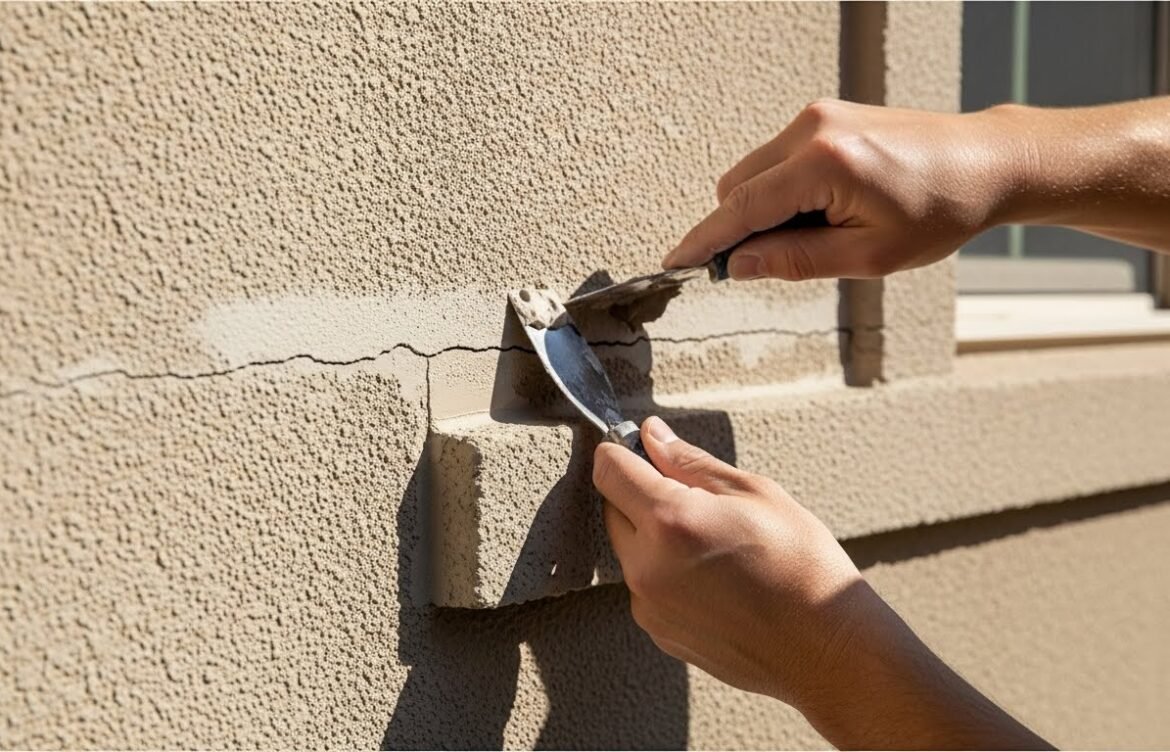
Comprehensive Guide to Exterior Wall Crack Repair
Exterior wall cracks can compromise the integrity and appearance of your home. Understanding the types of cracks and their causes is essential for effective repair. This guide offers insights into identifying various crack types, from hairline fractures to larger structural issues, ensuring homeowners can address these problems promptly and efficiently.
For instance, hairline cracks often indicate normal settling, while wider cracks may suggest underlying structural issues. Regular inspections and timely repairs can prevent water infiltration and further damage, making it crucial for homeowners to stay vigilant about the condition of their exterior walls.
Common Causes of Exterior Wall Cracks
Several factors contribute to the formation of cracks in exterior walls, including soil movement, moisture fluctuations, and temperature changes. Understanding these causes helps homeowners take preventative measures and address issues before they escalate.
For example, expansive soils can shift beneath a foundation, leading to cracks as the structure settles. Similarly, inadequate drainage can cause moisture buildup, exacerbating the problem. By recognizing these common causes, homeowners can implement strategies to mitigate risks and maintain the integrity of their homes.
DIY vs. Professional Crack Repair: Making the Right Choice
When it comes to exterior wall crack repair, homeowners often face the decision of whether to tackle the job themselves or hire professionals. While DIY repairs can save money, they may not always yield the best results, especially for significant cracks.
For minor cracks, homeowners can use patching compounds or sealants available at hardware stores. However, for larger or more complex issues, consulting with professionals ensures that repairs are done correctly and last longer, ultimately saving time and money in the long run.
Maintenance Tips to Prevent Future Cracks
Preventing cracks in exterior walls requires proactive maintenance and regular inspections. Homeowners should be aware of the signs of wear and tear and take immediate action to address potential issues before they develop into significant problems.
Simple measures such as maintaining proper drainage, sealing gaps, and ensuring adequate ventilation can significantly reduce the risk of cracks. Additionally, regular inspections after severe weather events can help identify early signs of damage, allowing for timely repairs and preserving the home's structural integrity.