
The Alachua Bake Why Your Fence is Turning Gray
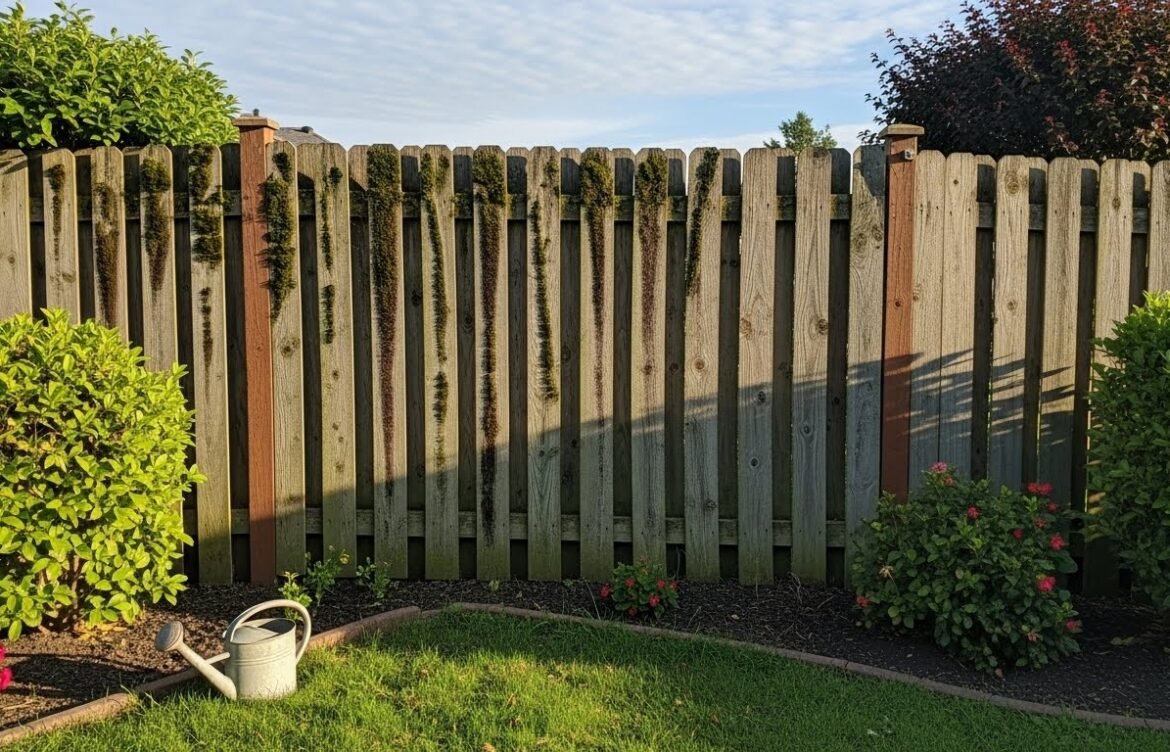
If you’ve lived in Alachua Florida for more than a single summer, you know the drill. That beautiful, cedar-toned fence you installed a few years ago now looks like a piece of driftwood washed up on Cedar Key. It’s gray, it’s brittle, and it looks like it’s aged twenty years in just two.
It’s frustrating, right? You spend good money on curb appeal, and the Florida sun just treats it like a slow-moving barbecue. The truth is, our UV index in North Central Florida is relentless. It literally “cooks” the lignin out of the wood fibers, leaving behind that silver-gray surface that’s prone to cracking and splintering.
But here’s the good news: just because it looks dead doesn’t mean it is. Most of the time, that gray is just a superficial layer of “dead” wood cells. Underneath, there’s still healthy timber waiting to be saved. At precisionpaintexperts, we specialize in bringing these fences back from the brink.
If you’re already eyeing your property line and wondering if it’s worth the sweat, you can always get a free quote from our team. But if you’re ready to roll up your sleeves and save your investment, here’s how we handle the Alachua sun damage.
1. The Deep Clean (Kill the Spores First)
Before you even think about the sun damage, you have to address the moisture damage. In Alachua, humidity and sun go hand-in-hand. Often, that gray wood is also playing host to microscopic mildew. If you just slap a stain over it, you’re essentially sealing in a biological ticking time bomb.
You’ll want to use a professional-grade wood cleaner—not just a blast of high-pressure water. I’ve seen so many homeowners “fur” their wood by using too much pressure. It makes the fence look like it’s growing hair. Instead, use a chemical cleaner that breaks down the silver-gray oxidation and kills the mold.
- The Scenario: You have a shadowbox fence near some heavy oak trees. One side is sun-bleached gray; the other side is spotted with green algae. A chemical “soft wash” treats both issues simultaneously.
- Pro Tip: Wet down your grass and plants before and after using any wood cleaners. Alachua soil is great, but the chemicals can be tough on your landscaping.
2. Brighten the Grain
After cleaning, the wood often looks dark or “tanned.” This is because the pH level of the wood has been thrown off by the cleaner. To get that “new wood” look back, you need to use a wood brightener (citric or oxalic acid).
This step is like a magic trick. You spray it on, and within minutes, the dark, muddy-looking wood “pops” back to its original bright tone. This opens the pores of the wood, which is absolutely critical for the next step. If the pores are closed, your stain will just sit on top and peel off in six months.
- The Scenario: You’ve washed the fence, but it looks a bit orange or dull. Applying the brightener neutralizes the wood and prepares it to drink in the stain.
- Quick Insight: This is why wood staining and finishing is a multi-step process. Skipping the brightener is the #1 reason DIY fence stains look blotchy.
3. Sanding the “Whiskers”
Once the wood dries after a deep clean, the grain often “raises.” This creates those little splinters I mentioned earlier—what we pros call “whiskers.” If you’re dealing with a handrail or a gate you touch often, you don’t want those.
A quick pass with a 60 or 80-grit sanding block can smooth those down. You don’t need to sand the whole mile of fence, but hit the high-traffic areas. It makes the final finish feel much more premium and prevents the stain from catching on loose fibers.
- The Scenario: Your gate handle area feels rough after cleaning. A five-minute sand makes it smooth to the touch and ensures the stain bonds deeply into the wood.
- Internal Connection: This attention to detail is what sets a Gainesville FL fence painting job apart from a quick “splash and dash” contractor.
4. Choosing a UV-Defying Stain
In Alachua, “clear” sealers are basically useless. They offer zero UV protection. Think of it like sunscreen—the higher the “SPF” (or pigment), the more protection your wood gets.
We almost always recommend a semi-transparent or semi-solid stain. These have enough pigment to block the sun’s rays while still letting you see that beautiful wood grain. Solid stains are great for older, heavily damaged fences, but for most Alachua homes, a semi-transparent provides the best balance of beauty and protection.
- The Scenario: You want the wood to look natural but don’t want to do this again next year. A high-quality oil-based stain with trans-oxide pigments acts like a shield against the Florida sun.
- Pro Tip: Avoid water-based “sealers” from big-box stores. They tend to form a film on top that eventually peels, making your next maintenance round a nightmare.
5. Proper Application (Saturate, Don’t Just Coat)
The sun makes wood thirsty. When you finally apply your treatment, the wood should “drink” it. If you’re just misting the surface, you’re not protecting the core of the timber.
We use a method called “back-brushing.” Whether we spray the stain on or roll it, we always follow up with a brush to push the product deep into the grain and the joints. This is where rot starts, so the joints need the most love.
- The Scenario: You’re staining a long run of fence. Spraying gets the job done fast, but back-brushing ensures that every crack and crevice is actually sealed.
- Longevity Insight: A properly applied stain can extend your exterior paint lifespan in Florida significantly, preventing the wood from warping or “cupping.”
Wood Treatment Comparison: What’s Best for You?
| Method | Best For | Pros | Cons |
| Clear Sealer | Brand New Wood | Shows natural grain perfectly | Almost zero UV protection; grays fast |
| Semi-Transparent | Mild Sun Damage | Great UV protection; visible grain | Needs re-application every 2-3 years |
| Solid Stain | Heavily Damaged Wood | Maximum UV protection; hides flaws | Looks like paint; hides the wood grain |
| Professional Restoration | Value-Focus Estates | Longest lasting; perfect finish | Higher upfront cost |
Key Takeaways for Alachua Homeowners
- Don’t wait for rot: Gray wood is a warning; soft wood is a replacement.
- UV is the enemy: Use pigmented stains to block the sun’s rays.
- Prep is 80% of the job: If you don’t clean and brighten, you’re wasting your stain.
- Oil-based is king: For fences, oil-based products generally out-perform water-based ones in our humidity.
- Mind the sprinklers: If your irrigation hits your fence daily, even the best stain will struggle. Adjust those heads!
Don’t Let Your Fence Fade Away
Look, a wooden fence is a significant investment. In Alachua, it’s often the first thing people see when they pull up to your home. Letting it turn gray and brittle doesn’t just hurt your curb appeal—it eventually hurts your wallet when the boards start to snap and fall over.
You don’t have to let the Florida sun win. Whether you’re looking for a total restoration or just a fresh deck and fence staining to keep things looking sharp, we know exactly what Alachua wood needs to survive.
Ready to bring your fence back to life? We’d love to help you get it show-ready again. Contact precisionpaintexperts today for a consultation, or if you’re just starting to plan your budget, you can get a free quote online.