
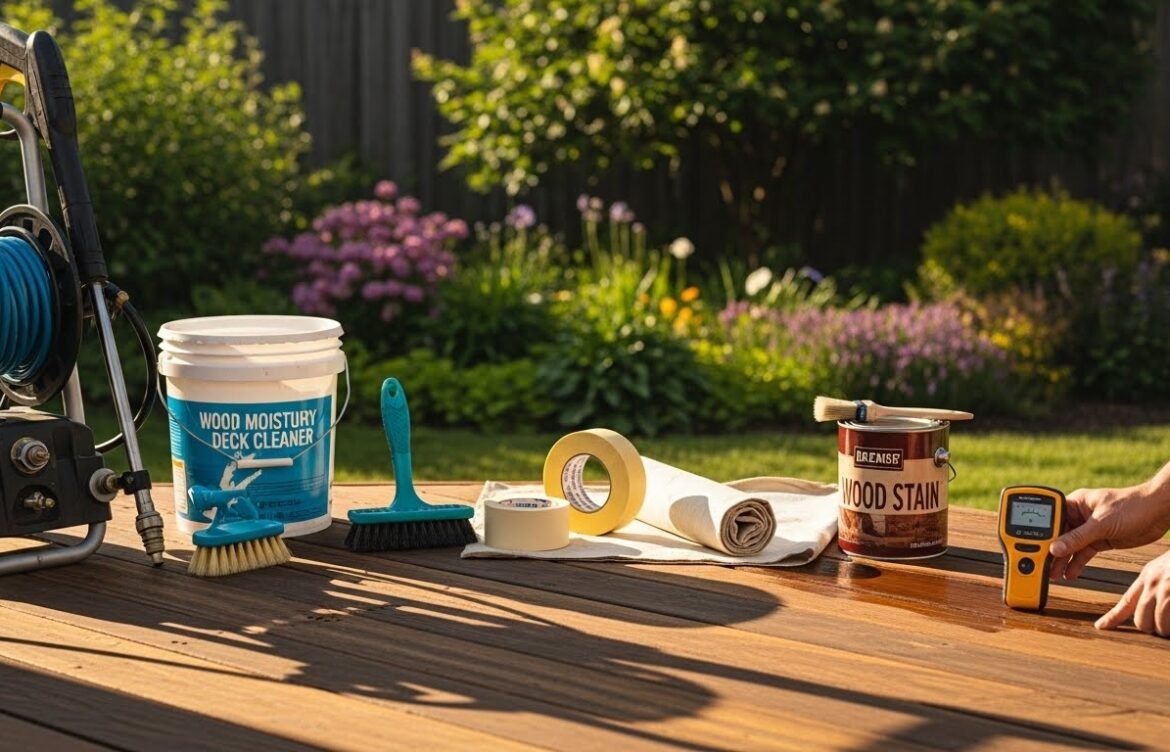
Don’t Let Wood Rot Ruin Your Deck A Pre-Staining Checklist
Getting ready to stain your deck is a pretty satisfying project, isn’t it? You envision those rich colors, that smooth finish, and countless evenings spent enjoying your outdoor space. But before you even think about cracking open a can of stain, there’s a crucial step that far too many homeowners overlook: inspecting for wood rot.
Applying a fresh stain over a deck compromised by rot is, frankly, a waste of time and money. It’s like putting a beautiful new coat of paint on a rusty car; it might look good for a moment, but the underlying problem will only worsen, potentially leading to costly repairs or even a full deck replacement down the line. We, at precisionpaintexperts, understand the importance of a solid foundation, not just for paint, but for any exterior finish designed to protect your home.
This guide is designed to help you become a vigilant inspector of your own deck. We’ll walk you through the subtle (and not-so-subtle) indicators of wood rot, ensuring your efforts result in a beautiful, long-lasting deck you can truly be proud of. If you uncover more than you bargained for, remember that professional help for deck staining and repair is always available. But for now, let’s learn how to spot trouble before it starts.
1. The Discoloration Clue: Darkening and Fungal Growth
One of the earliest and most visible signs of wood rot is often a change in color. Healthy wood typically has a consistent, natural tone. As rot begins to set in, you’ll notice areas that are significantly darker, often appearing brown, gray, or even black. This discoloration isn’t just cosmetic; it’s usually indicative of moisture intrusion and the presence of fungi starting to break down the wood fibers.
Beyond simple darkening, keep an eye out for visible fungal growth. This can manifest as fuzzy white patches (early mildew or surface fungi), green or black algae, or even mushroom-like growths emerging from the wood. These are clear red flags that moisture is present and wood decay is active.
- Example: Imagine a section of your deck railing that consistently gets splashed by sprinklers or remains shaded and damp. Over time, you might see the wood turn a murky gray-green, and touching it reveals a slight sliminess. This is a prime spot for fungal activity.
- Quick Tip: Don’t confuse surface mold or mildew (which can often be cleaned) with deep-seated rot. While both need addressing, rot indicates structural damage.
2. The Soft Spot Test: Probing for Weakness
This is arguably the most crucial test. Healthy wood is firm and resistant. Rotting wood, on the other hand, loses its density and becomes soft or spongy. You can often detect this by simply pressing on the wood with your thumb. For a more definitive test, use a screwdriver or an awl to gently probe suspect areas. If the tool easily penetrates the wood with little resistance, or if the wood feels mushy and crumbles, you’ve found rot.
Pay particular attention to areas where water tends to collect or linger: board ends, areas around fasteners, joints where deck boards meet railings or posts, and any wood in direct contact with the ground or concrete. These are common culprits for moisture retention.
- Example: You’re cleaning your deck before staining, and as you scrub a particular deck board, your brush seems to sink in slightly. A quick poke with a screwdriver reveals the wood underneath is soft and pulls away easily. That board is compromised.
- Quick Tip: Always check both the top and bottom surfaces of deck boards, especially where they sit on joists. Rot often starts where moisture is trapped.
3. Cracking, Splitting, and Fissures: Beyond Weathering
While some surface cracking and splitting are normal signs of weathering for outdoor wood, excessive or deep fissures can indicate a more serious problem. When wood is repeatedly saturated with moisture and then dries out, the fibers expand and contract, leading to stress. If the wood is also undergoing decay, these cracks can become deeper and more prevalent, often accompanied by splintering or a stringy appearance.
These cracks also serve as direct pathways for water to penetrate deeper into the wood, accelerating the rot process. Before staining, ensure any significant cracks are not indicative of underlying rot and are properly sealed or repaired.
- Example: You notice a few long, deep cracks running the length of a support beam under your deck. When you examine them closely, the wood within the crack looks discolored and soft, not just dry. This isn’t just surface weathering; it’s a sign of internal decay.
- Quick Tip: Pay close attention to the end grain of boards and posts. This is where wood absorbs and releases moisture most readily, making it a common starting point for rot and cracking.
4. Spongy Feel or Sagging: A Structural Warning
This sign moves beyond surface-level issues and points to potential structural compromise. If a section of your deck feels bouncy, spongy, or sags visibly when you walk on it, the underlying wood—joists, beams, or support posts—may be severely rotted. This is not just an aesthetic concern; it’s a significant safety hazard.
Rot in structural components reduces their load-bearing capacity, making the deck unstable and dangerous. Never stain over areas that exhibit sponginess or sagging without first addressing the core structural problem. This usually requires professional intervention and replacement of the rotted elements.
- Example: You walk across a particular section of your deck, and it feels unusually springy, almost like walking on a trampoline. Looking underneath, you see a joist that looks darker and appears to be slightly bowed or has significant material loss. That’s a serious indicator of rot.
- Quick Tip: When inspecting the underside of your deck, tap structural members with a hammer. A solid tap should produce a sharp sound; a dull thud indicates possible rot.
5. Visible Shrinkage or Material Loss: The Disappearing Act
Advanced wood rot can literally make parts of your deck disappear. As fungi consume the wood fibers, the affected areas will shrink, become brittle, and eventually crumble away. This can lead to noticeable gaps between boards, thinning of structural members, or even holes appearing in deck surfaces.
If you see areas where the wood appears to have “wasted away,” or where nails and screws are loose because the wood around them has deteriorated, this is a clear indication of extensive rot. At this stage, repair often involves replacing entire sections of the deck.
- Example: You’re cleaning around the base of a deck post, and you notice the concrete footing has a wide gap around the post where the wood used to be. The base of the post itself looks shredded and much narrower than the top. This is clear material loss due to rot.
- Quick Tip: Check all ledger board connections to your house. Rot here is extremely dangerous as it compromises the entire deck’s attachment to your home. precisionpaintexperts.com can help assess these critical structural points.
Understanding the Progression of Wood Rot
| Stage of Rot | Appearance & Feel | Action Required |
| Early Stage | Slight discoloration, minor softening, subtle musty smell. | Clean, dry, treat with fungicide, seal. |
| Moderate Stage | Darker areas, noticeably soft/spongy, deeper cracks. | Remove rotted wood, treat, patch/replace, seal. |
| Advanced Stage | Crumbling, visible material loss, significant softness/sagging. | Replace affected structural components entirely. |
Key Takeaways Before You Stain
- Inspection is Paramount: Never skip a thorough inspection, especially after wet seasons.
- Moisture is the Enemy: Rot thrives where wood stays wet. Address drainage and ventilation issues.
- Probe, Don’t Just Look: Use a tool to test for softness; visual cues aren’t always enough.
- Early Detection Saves Money: Catching rot early can mean a simple repair; waiting leads to costly replacements.
- Stain is Protection (But Not a Cure): Deck stain helps prevent future rot but can’t fix existing decay.
Don’t Just Stain It, Sustain It.
Your deck is an extension of your home, a place for relaxation and enjoyment. Ensuring its structural integrity before you apply that beautiful new stain is not just about aesthetics; it’s about safety and long-term value. Neglecting wood rot can turn a minor project into a major headache, compromising the very foundation of your outdoor living space.
If your inspection reveals extensive rot, or if you’re unsure about the best course of action, don’t hesitate to seek professional advice. Our team at precisionpaintexperts specializes in not just deck staining but also the crucial preparatory work and repairs that ensure a lasting, safe finish. We can assess the damage, recommend the right solutions, and ensure your deck is truly ready for its next beautiful chapter.