
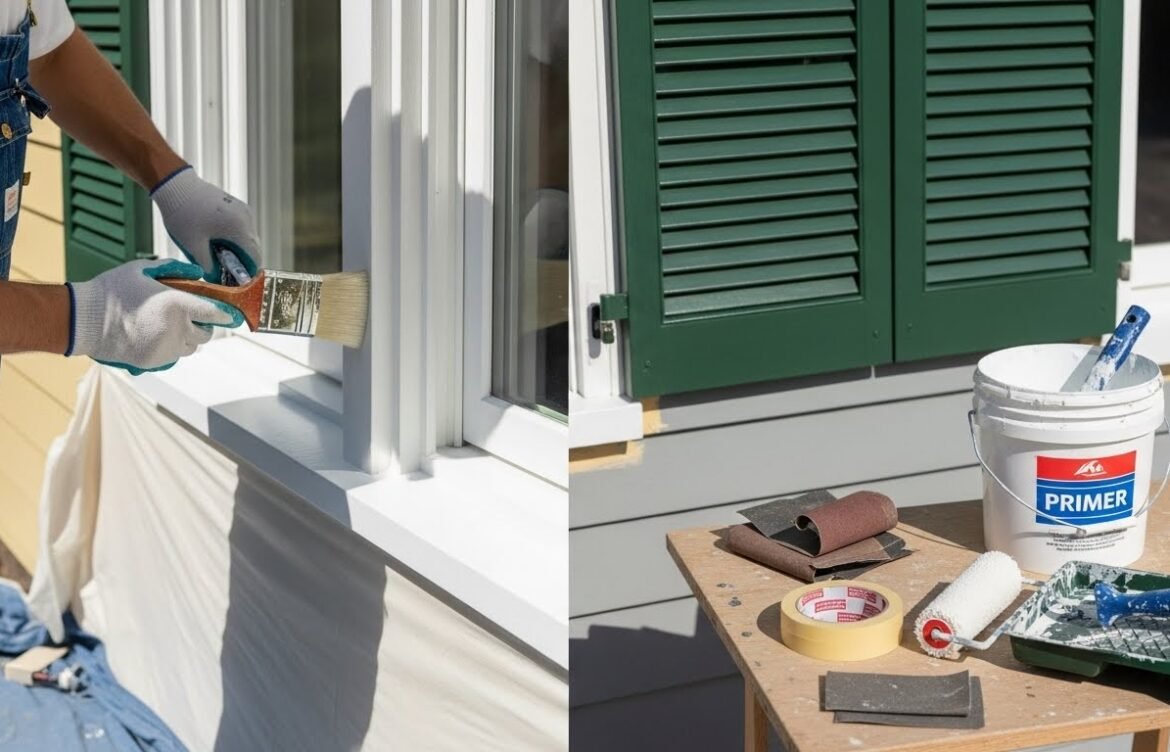
How to Paint House Trim Shutters Professionally
House trim and shutters might seem like small details, but they control how your entire home looks from the street. Fresh walls with worn trim will always feel unfinished. On the other hand, clean, sharp trim and shutters can make an older exterior look newly updated.
Painting trim and shutters professionally is not about rushing a brush around edges. It’s about prep, product choice, timing, and clean execution. At Precision Paint Experts, trim and shutter work is handled as part of a complete exterior system, often alongside full exterior painting projects and detailed residential painting upgrades.
This guide explains how professionals approach trim and shutter painting and why the process matters.
Why Trim and Shutters Fail First
Trim and shutters take more abuse than siding.
They face:
- Direct sun exposure
- Heavy rain runoff
- Temperature swings
- Frequent moisture contact
Because trim edges and shutter louvers collect water, paint failure often starts there. Peeling, cracking, and fading are usually signs of prep issues, not just age.
Professional painters treat trim differently than walls because it behaves differently.
Proper Preparation Makes the Difference
No professional skips prep. This is where long-lasting results begin.
A professional prep process includes:
- Full surface cleaning to remove dirt and mildew
- Targeted pressure washing around trim edges
- Scraping loose or failing paint
- Sanding to smooth transitions
- Sealing bare wood or exposed material
If trim has rot or damage beneath the surface, repairs must happen first. In some homes, interior moisture issues or wall damage near windows are addressed with drywall repair and patching before exterior work continues.
Choosing the Right Paint for Trim and Shutters
Trim and shutters require stronger coatings than siding.
Professional painters use:
- High-durability exterior enamel paints
- Moisture-resistant formulas
- UV-stable pigments to reduce fading
Trim paint needs to level smoothly and dry hard without becoming brittle. Shutters, especially, require coatings that flex slightly as temperatures change.
This is why leftover wall paint should never be used on trim or shutters.
Best Color Choices for a Clean, Professional Look
Color choice affects curb appeal more than most homeowners realize.
Popular trim and shutter color combinations include:
- White trim with black or charcoal shutters
- Cream trim with deep green shutters
- Light gray trim with navy shutters
- Matching trim and shutter tones for modern homes
Professionals also consider roof color, siding tone, and sun exposure before recommending combinations.
For homes undergoing interior updates at the same time, coordinating trim tones with interior painting creates a consistent look from inside to outside.
How Professionals Paint Trim Cleanly
Painting trim is about control, not speed.
Professional techniques include:
- Precision brushes for sharp lines
- Controlled roller use where appropriate
- Masking only when needed, not everywhere
- Multiple thin coats instead of one heavy coat
Shutters are often removed and painted separately to ensure full coverage behind louvers and edges. This prevents missed spots and uneven finishes.
Common DIY Mistakes to Avoid
Trim and shutter painting often fails due to shortcuts.
The most common mistakes are:
- Painting over dirty surfaces
- Skipping primer on bare wood
- Applying paint too thick
- Rushing drying times
These errors lead to drips, brush marks, and early peeling. Once paint fails, the next repaint becomes more expensive because extra prep is required.
How Trim Painting Fits Into Larger Projects
Trim and shutter painting rarely stands alone.
It is often paired with:
- Full exterior repainting
- Deck or fence updates using deck and fence staining
- Garage upgrades like garage floor epoxy coating
For commercial properties, trim and exterior details are also critical for brand appearance and are commonly handled during scheduled commercial painting maintenance cycles.
How Long Does Professional Trim Paint Lasts
When done correctly, professional trim and shutter paint lasts longer than wall paint.
Typical lifespan:
- High-quality trim paint: 8 to 10 years
- Poor prep or low-grade paint: 3 to 4 years
Regular washing and visual inspections help extend lifespan and catch small issues early.
When to Repaint Trim and Shutters
You should consider repainting when you notice:
- Fading or chalky residue
- Hairline cracks
- Peeling edges
- Water stains around trim joints
Waiting too long allows moisture to reach wood or underlying materials, increasing repair costs.
Why Professional Trim & Shutter Painting Is Worth It
Painting house trim and shutters professionally is one of the highest-impact exterior upgrades you can make. It sharpens lines, boosts curb appeal, and protects vulnerable parts of your home from weather damage.
The difference between an average result and a professional one comes down to prep, materials, and experience. Trim and shutters deserve the same attention as the rest of your exterior, not quick touch-ups.
Ready for a Cleaner, Sharper Exterior?
If your trim or shutters are peeling, faded, or outdated, Precision Paint Experts can restore them with a professional process built for long-term durability.
Contact us today to schedule a consultation and give your home the clean, finished look it deserves.