
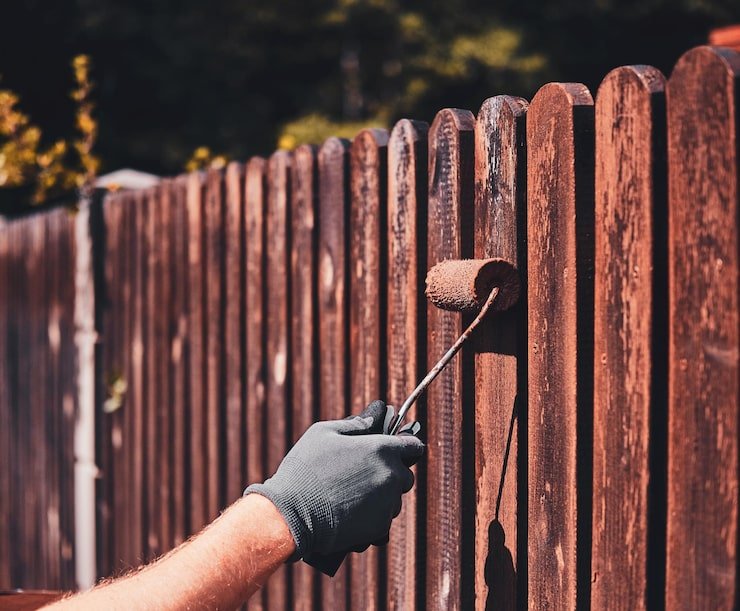
Deck & Fence Staining Tips for Florida’s Humid Climate
Staining your deck and fence in Florida requires a different approach than in many other parts of the country. High humidity, constant sun exposure, and frequent rainstorms can cause wood to deteriorate faster, making proper staining essential for long-term protection. Without the right preparation and stain selection, homeowners in Florida often deal with issues like peeling finish, mildew growth, fading color, and moisture damage. Understanding how to stain outdoor wood correctly in Florida’s climate can save you time, money, and frustration, while keeping your home’s exterior looking polished and protected year-round.
Florida’s humid climate creates perfect conditions for mold and mildew, especially on horizontal surfaces like decks. If your wood absorbs moisture and the stain doesn’t adhere properly, the results can be patchy and short-lived. That’s why choosing the right stain, applying it in the correct weather conditions, and maintaining it regularly are key steps to a long-lasting finish. Whether you’re caring for cedar, pine, pressure-treated lumber, or composite, the right staining routine helps extend the life of your outdoor structures.
Why Staining Matters in a Humid Climate
Humidity accelerates wood damage much faster than homeowners expect. Constant moisture prevents stain from penetrating correctly, which leads to peeling and uneven coloring. Without a protective coating, wood soaks up water, swells, and eventually cracks or rots. UV rays from Florida’s strong sunlight also fade the stain quickly if the wrong product is used.
Proper staining adds a protective layer that seals out moisture, reduces heat damage, and prevents mold from spreading. This investment not only improves the appearance of your outdoor space but also extends the life of your deck and fence.
Choose the Right Stain for Florida’s Weather
Not all stains perform well in coastal or humid climates. To get long-lasting results, choose stains formulated for moisture-rich environments.
Oil-Based Stains
Oil-based stains penetrate deeply into wood and provide excellent water resistance. They resist humidity better than many water-based options and typically last longer. They are ideal for older decks or fences that require deeper conditioning.
Water-Based Stains
Water-based stains dry faster and produce fewer fumes. They are environmentally friendly and resist mildew growth well. They also retain color longer in direct sunlight. These stains are suitable for newer wood or surfaces that need a fresh, clean look.
Semi-Transparent Stains
Semi-transparent stains show the wood grain while providing UV protection. They are a popular choice in Florida because they balance beauty and performance.
Solid Stains
Solid stains offer the highest level of UV protection and are ideal for older wood with imperfections. They act more like paint but still allow the wood to breathe.
Deck & Fence Staining Tips for Florida’s Humid Climate
Here are the best techniques to ensure your stain lasts longer and performs well despite humidity:
1. Check the Weather First
Staining should be done on dry days with low humidity. Avoid rainy or extremely hot days.
- Choose temperatures between 50°F–90°F
- Avoid direct sunlight during application
- Make sure there are no rain forecasts for 48 hours
2. Clean and Prep the Wood
Dirty or damp wood prevents stain from absorbing. Always prep your surface first.
- Remove dirt, algae, and mildew
- Pressure wash gently to avoid damaging wood
- Allow wood to dry for at least 48–72 hours
3. Test Moisture Levels
Wood must be dry to absorb stain properly. Use a moisture meter if possible.
- Ideal wood moisture level: 12–15%
- Moist wood = patchy stain and peeling later
4. Apply Thin, Even Coats
Thick coats sit on top of the wood and peel faster.
- Apply stain with a brush, roller, or sprayer
- Work in small sections to avoid lap marks
- Always wipe off excess stain
5. Choose UV-Resistant Stains
Florida sunlight fades colors quickly, so UV protection is essential.
- Look for stains labeled UV-blocking or sun-resistant
- Semi-transparent and solid stains work best in high sun areas
6. Seal the Wood for Extra Protection
If your stain doesn’t include a built-in sealer, apply a clear top coat.
- Prevents moisture absorption
- Helps resist mildew and mold growth
7. Schedule Regular Maintenance
Outdoor structures in Florida need yearly inspection.
- Reapply stain every 1–2 years
- Clean the surface regularly
- Touch up areas exposed to heavy rain or direct sunlight
Common Mistakes to Avoid
Many homeowners make errors that reduce the lifespan of their stain. Avoid the following:
- Applying stain on damp or wet wood
- Staining during peak afternoon heat
- Using indoor-grade stains outdoors
- Skipping the cleaning and prep stage
- Applying overly thick coats
These mistakes lead to premature peeling, fading, and mold buildup—issues that cost more to fix later.
Bullet Point Summary: Key Takeaways
- Always stain on dry, low-humidity days
- Prep the wood thoroughly before staining
- Use UV-resistant stains designed for humid climates
- Apply thin, even coats for better penetration
- Maintain your deck and fence annually
Final Staining Tips to Protect Your Florida Deck & Fence
Florida’s humid climate makes wood maintenance challenging, but with the right products and techniques, your deck and fence can stay beautiful and protected for years. Proper staining enhances durability, prevents mold, and keeps your outdoor spaces looking fresh despite constant sun and moisture exposure. Whether you’re refreshing your backyard or preparing your home for summer gatherings, following these staining tips will help ensure long-lasting results.
For homeowners who want professional help, Precision Paint Experts offers complete deck and fence staining services tailored to Florida’s weather. Our team uses premium products and proven techniques to give you a finish that lasts longer and stands strong against humidity.